What does heat do to the body of pets?
Warm weather does not only affects the skin, but also the pet’s entire body. Animals are less efficient than humans at regulating their body temperature, which makes them more susceptible to overheating.
At high temperatures, the body uses various ways to get rid of heat, such as panting and limited sweating through the paw pads. As a result, the animal loses fluid, which can lead to dehydration.
In addition, heat puts extra strain on the skin. Heat and moisture can make the skin more sensitive, which may weaken the skin barrier. This makes the skin more vulnerable to irritation, friction, and external influences such as UV radiation and hot surfaces.
In some cases, prolonged exposure to heat can also lead to fatigue, reduced activity, and increased sensitivity of the skin.
Important points of attention:
- Always provide sufficient fresh drinking water
- Avoid exertion during the hottest times of the day
- Ensure that there are shaded and cool places
- Watch for signs of overheating, such as panting, lethargy, or restless behaviour
- Support the skin with suitable care products, such as spot-ons, shampoos and mousses that help with hydration and maintaining the skin barrier
Why is skin protection so important?
The skin is the body’s largest organ and forms the outer barrier between the body and the environment. It has several functions, including protecting the internal organs from external influences.
The skin is exposed to stress daily, and in summer this increases exponentially due to UV exposure. When the skin is exposed to UV radiation, this can lead to damage. This may appear as redness, sensitivity, and flaking, and in more severe cases even blistering.
Are there pets that burn more easily?
Just like in humans, exposure to ultraviolet (UV) radiation in pets can lead to skin issues. Although an animal’s coat offers some protection, for many pets this is just not enough.
Risk groups:
- Animals with light-coloured skin
- Animals with a thin or light-coloured coat
- Hairless breeds or animals with or bald patches
However, all animals can suffer from sun damage to a greater or lesser extent, since certain parts of the skin are less well protected.
Less protected areas:
- Nose
- Paw pads
- Ears
Is there sunscreen for pets?
Humans often use sunscreen to protect their own skin from the sun. However human sunscreen is not suitable for pets, as it may contain ingredients that are toxic for pets.
For this reason, it is recommended to use only sunscreen products that have been specially developed for pets.
Dermoscent® SunFREE 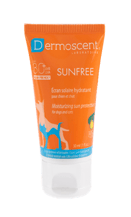
Dermoscent® SunFREE is a sunscreen with high protection for dogs and cats.
- Protects against both UVB- and UVA rays
- SPF30+
- Hydrating
How do I protect my pet’s paws?
The paw pads of pets are often forgotten, even though they are also affected by heat during the summer. These paw pads consist of layers of skin that are put under extra strain on warm days. This strain is usually not caused by UV radiation, but by hot surfaces such as asphalt, concrete, and sand, which can reach much higher temperatures than the surrounding air.
Although paw pads are adapted be strong against external stress, they are not resistant to extreme heat. Damage can cause pain and affect the animal’s wellbeing and mobility.
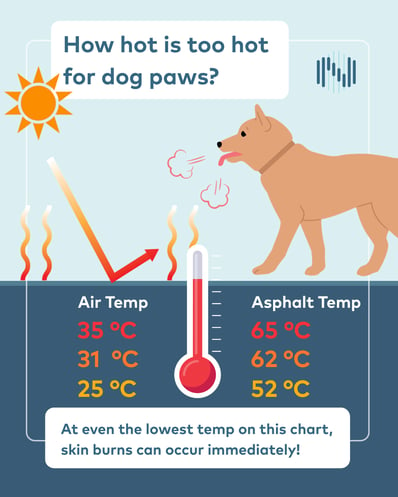
To prevent this, there are several ways to protect paws against burns.
Preventive advice:
- Take walks during the cooler parts of the day (morning and evening)
- Take more frequent short walks instead of fewer longer ones
- Avoid hot surfaces and choose grass or shaded areas when possible
- Use suitable protective products such as creams or boots
Dermoscent BIO BALM® 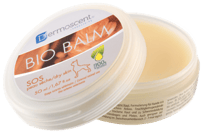
Dermoscent BIO BALM® contains natural, water-resistant and soothing ingredients.
It is specially intended for regular use on dry and/or thickened areas such as paws, nose and calluses.
When is veterinary assistance needed?
If there are signs of serious damage, it is essential to contact a veterinarian. This applies in particular in cases of:
- Blisters or open wounds
- Severe redness or swelling
- Persistent pain or lameness
- Signs of infection
Are you still unsure? Call your vet clinic and ask for further help on how to manage these warmer months!
Subscribe to our newsletter
Subscribe to our newsletter and don't miss our latest innovations in the fields of allergy, dermatology, and specialized pet nutrition.