A Clinical Case of Allergen-Specific Immunotherapy in a KWPN Mare
A four-year-old KWPN mare presented with clinical signs consistent with allergic dermatitis. Initial symptoms of seasonal pruritus progressed into a reproducible pattern of hypersensitivity suggestive of insect bite hypersensitivity (IBH).
Clinical Presentation
The mare demonstrated:
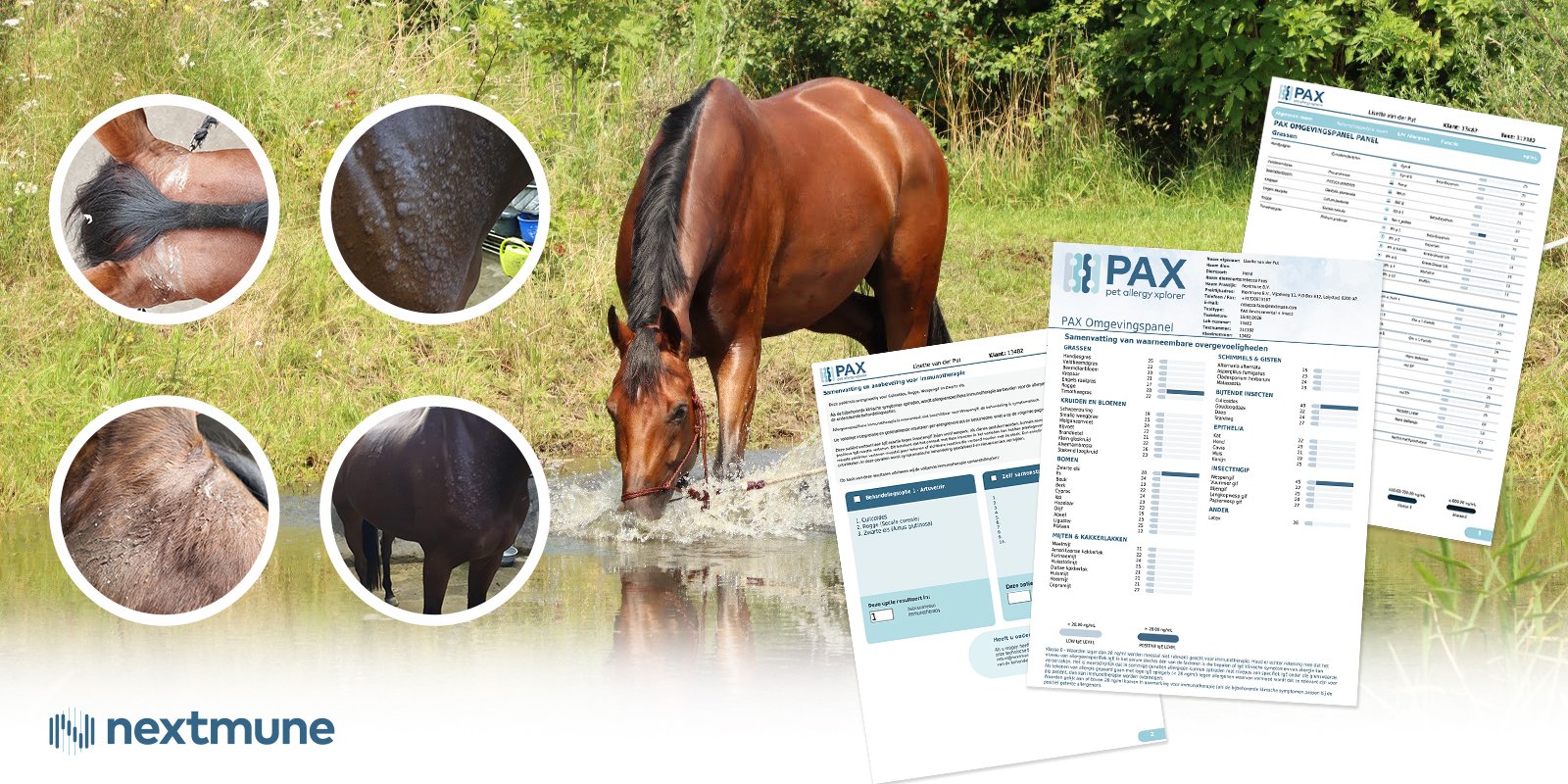
- Pronounced pruritus with scaling at the mane and tail base
- Unilateral papular dermatitis affecting the neck and shoulder
- Progressive pruritus involving the ventral abdomen and inguinal region
The seasonal recurrence, anatomical distribution, and progression of lesions were consistent with an IgE-mediated type I hypersensitivity reaction associated with Culicoides exposure.
Artuvetrin
Diagnostic Workup and Therapeutic Strategy
Serological testing was performed to evaluate allergen-specific IgE sensitization. Results confirmed reactivity to Culicoides allergens. Additionally, several environmental allergens, including selected pollen allergens, tested positive. Based on environmental exposure patterns and seasonal correlation, these were considered clinically relevant and incorporated into a customized allergen-specific immunotherapy (ASIT) formulation.
ASIT remains the only disease-modifying treatment modality for allergic disease. It is believed to promote immune tolerance through:
- Modulation of Th2-driven immune responses
- Induction of allergen-specific IgG antibodies with potential blocking activity
- Engagement of regulatory immune pathways
Although most detailed mechanistic evidence derives from human allergology, available equine data in IBH and environmental hypersensitivity support comparable immunomodulatory effects.
Treatment Protocol
A structured up-dosing phase was initiated, followed by transition into a maintenance phase. Dose escalation was performed progressively, with close monitoring of clinical response and tolerability.
Individualized protocol adjustment was guided by clinical improvement, seasonal variation, and absence of adverse reactions. This structured approach aimed to achieve sustained immunomodulation and long-term disease control.
Integrated Management Plan
Concurrent environmental and dermatologic management strategies were implemented, including:
- Use of a sweet itch rug during peak vector activity
- Regular application of a barrier-supportive shampoo to maintain epidermal function
- Ongoing seasonal reassessment of clinical status
This multimodal strategy, combining disease-modifying immunotherapy with vector avoidance and barrier support, reflects current best-practice recommendations for managing equine allergic dermatitis.
Clinical Outcome
After consistent therapy and integrated management, the mare achieved sustained clinical remission:
- Absence of mane and tail rubbing
- Resolution of papular dermatitis
- No evidence of chronic inflammatory skin changes
The mare maintains normal behavior, intact skin integrity, and full athletic functionality.
Conclusion
This case illustrates that early identification of IBH, comprehensive allergen profiling (including concomitant environmental sensitizations), and timely initiation of tailored allergen-specific immunotherapy can result in sustained clinical remission.
When integrated with appropriate environmental management, ASIT represents a rational, disease-modifying, and scientifically supported strategy for long-term control of equine allergic dermatitis.